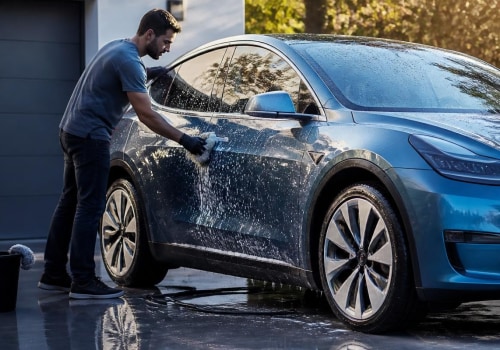
The automotive industry is experiencing a significant transformation as electric vehicles become increasingly popular among consumers. Unlike traditional gasoline-powered automobiles, electric vehicles rely on advanced battery systems, electric motors, and sophisticated electronic components to operate. This technological shift is changing how vehicles are maintained, inspected, and repaired. While conventional automobiles require regular oil changes, exhaust system maintenance, and engine servicing, electric vehicles eliminate many of these traditional requirements. However, they introduce new maintenance considerations involving battery health, electrical systems, and specialized diagnostic equipment. Understanding these differences helps vehicle owners prepare for evolving automotive maintenance needs while ensuring reliable transportation.
Reduced Dependence on Traditional Engine Maintenance
One of the most noticeable advantages of electric vehicle technology is the reduced need for conventional engine maintenance. Internal combustion engines contain numerous moving components that require lubrication, cooling, and periodic replacement. Electric motors generally have fewer moving parts, reducing mechanical wear and eliminating the need for engine oil changes.
Additionally, fully electric vehicles do not require spark plugs, fuel filters, timing belts, or conventional exhaust system repairs. This simplified mechanical structure can reduce routine maintenance expenses and minimize visits to automotive repair facilities.
However, electric vehicles still require regular inspections to maintain safety, efficiency, and performance. Components such as tires, suspension systems, steering mechanisms, and cabin air filters continue to need professional attention.
The Growing Importance of Battery Maintenance
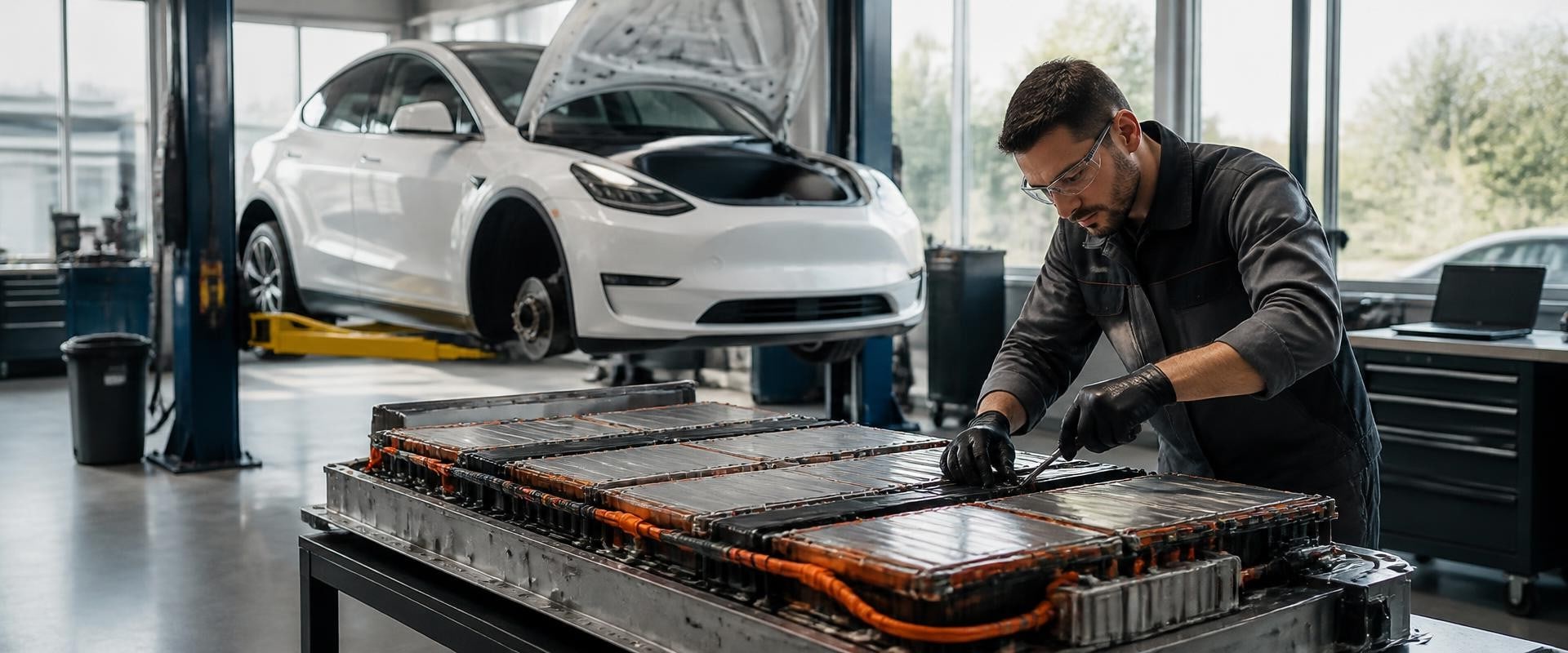
Battery technology represents one of the most important aspects of electric vehicle ownership. High-voltage battery packs store the energy necessary to power electric motors, making battery condition essential for vehicle performance and driving range.
Maintaining battery health involves monitoring charging habits, temperature exposure, and overall system efficiency. Modern electric vehicles incorporate battery management systems that regulate charging, monitor operating conditions, and help protect battery components.
Professional technicians increasingly require specialized training to inspect high-voltage systems safely and identify potential electrical problems. Proper battery maintenance can support long-term reliability while helping vehicle owners maximize their investment.
How Roadside Assistance Is Adapting to Electric Vehicles
The transition toward electric transportation is also influencing roadside assistance services. Traditional roadside emergencies frequently involve fuel shortages, mechanical failures, and battery problems. Electric vehicles introduce additional challenges, including depleted traction batteries, charging difficulties, and electrical system malfunctions.
Professional assistance providers such as Road Angel Towing and Roadside Service remain relevant as motorists navigate unexpected vehicle emergencies. Electric vehicles may require specific towing procedures and transportation equipment to prevent damage to sensitive drivetrain components.
Understanding manufacturer recommendations is particularly important because certain electric vehicles should be transported using flatbed trucks rather than conventional towing methods.
Advanced Diagnostics and Specialized Technician Training
Electric vehicles depend heavily on software, electronic sensors, and computerized control systems. Consequently, automotive maintenance increasingly involves digital diagnostics rather than traditional mechanical troubleshooting alone.
Technicians must understand electrical architecture, regenerative braking systems, thermal management components, and vehicle software. Specialized diagnostic tools allow professionals to identify faults, evaluate battery performance, and perform necessary system updates.
Continued technical education is becoming essential as manufacturers introduce increasingly sophisticated electric vehicle technologies.
Preparing for the Future of Automotive Care
Electric vehicle technology is reshaping maintenance expectations for drivers and automotive service providers. Although electric vehicles generally require fewer traditional mechanical services, specialized inspections and electrical expertise remain essential.
By following manufacturer maintenance recommendations and choosing appropriately trained technicians, vehicle owners can maintain safety, efficiency, and dependable performance. As electric mobility continues expanding, automotive maintenance will increasingly emphasize advanced diagnostics, battery management, and specialized technical knowledge.