Electric vehicles have become increasingly popular as drivers seek energy-efficient transportation options and alternatives to traditional gasoline-powered cars. Unlike conventional vehicles that rely on internal combustion engines, electric cars depend on high-capacity rechargeable batteries to power their electric motors. These batteries directly influence driving range, acceleration, charging efficiency, and overall vehicle reliability. Maintaining battery health is essential for preserving performance and extending an electric vehicle's operational lifespan. Understanding how batteries function and what affects their condition allows drivers to adopt responsible maintenance practices that support long-term efficiency while reducing the likelihood of unexpected repairs or premature battery replacement.
How Battery Health Affects Vehicle Performance
Battery condition significantly influences how effectively an electric vehicle operates. As batteries age, their capacity to store energy gradually decreases, potentially reducing the distance a vehicle can travel between charges. Temperature fluctuations, charging habits, and driving conditions can accelerate this natural degradation process. A battery experiencing substantial deterioration may also deliver less power under demanding conditions, affecting acceleration and overall driving performance. Modern electric vehicles include sophisticated battery management systems designed to monitor temperature, voltage, and charging activity. These systems help protect battery components and maintain consistent performance. However, responsible charging practices and routine vehicle inspections remain important for supporting battery efficiency.
The Importance of Proper Charging Habits
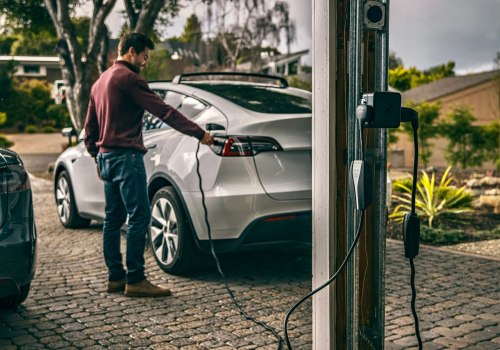
Charging behavior plays a significant role in maintaining electric vehicle battery health. Frequently allowing the battery to reach extremely low charge levels or keeping it fully charged for extended periods can contribute to faster degradation in many lithium-ion battery systems. Manufacturers commonly recommend maintaining moderate charging levels for everyday driving, although specific guidelines vary between vehicle models and battery technologies. Excessive reliance on rapid charging may also increase battery stress under certain conditions, particularly when temperatures are elevated. Following manufacturer recommendations helps drivers balance charging convenience with long-term battery preservation. Choosing appropriate charging equipment and maintaining reliable electrical connections further supports safe and efficient operation.
Regular Inspections and Professional Maintenance
Although electric vehicles generally require fewer mechanical maintenance procedures than gasoline-powered cars, routine inspections remain essential. Battery cooling systems, electrical connections, charging ports, and diagnostic systems should receive appropriate attention according to manufacturer guidelines. Professional automotive service providers, including Complete Auto Maintenance Centers, can support vehicle owners with relevant maintenance services and help identify concerns that may require specialized electric vehicle diagnostics. High-voltage battery systems should only be inspected or repaired by appropriately trained technicians using approved equipment. Addressing warning messages, unusual charging behavior, or significant changes in driving range promptly can help prevent more serious complications.
Extending Battery Lifespan Through Responsible Ownership
Preserving electric vehicle battery health requires consistent attention to driving habits, environmental conditions, and recommended maintenance schedules. Parking in shaded or temperature-controlled locations when practical can help reduce prolonged exposure to extreme heat. Using built-in battery conditioning features, following software updates, and avoiding unnecessary battery stress also contribute to maintaining long-term performance. Drivers should consult their vehicle manuals for specific charging and storage recommendations, particularly before extended periods of inactivity. Ultimately, maintaining a healthy battery helps preserve driving range, improve vehicle dependability, and protect the substantial investment associated with electric car ownership. Proper battery care also supports sustainable transportation by reducing premature component replacement and maximizing the useful lifespan of electric vehicles.