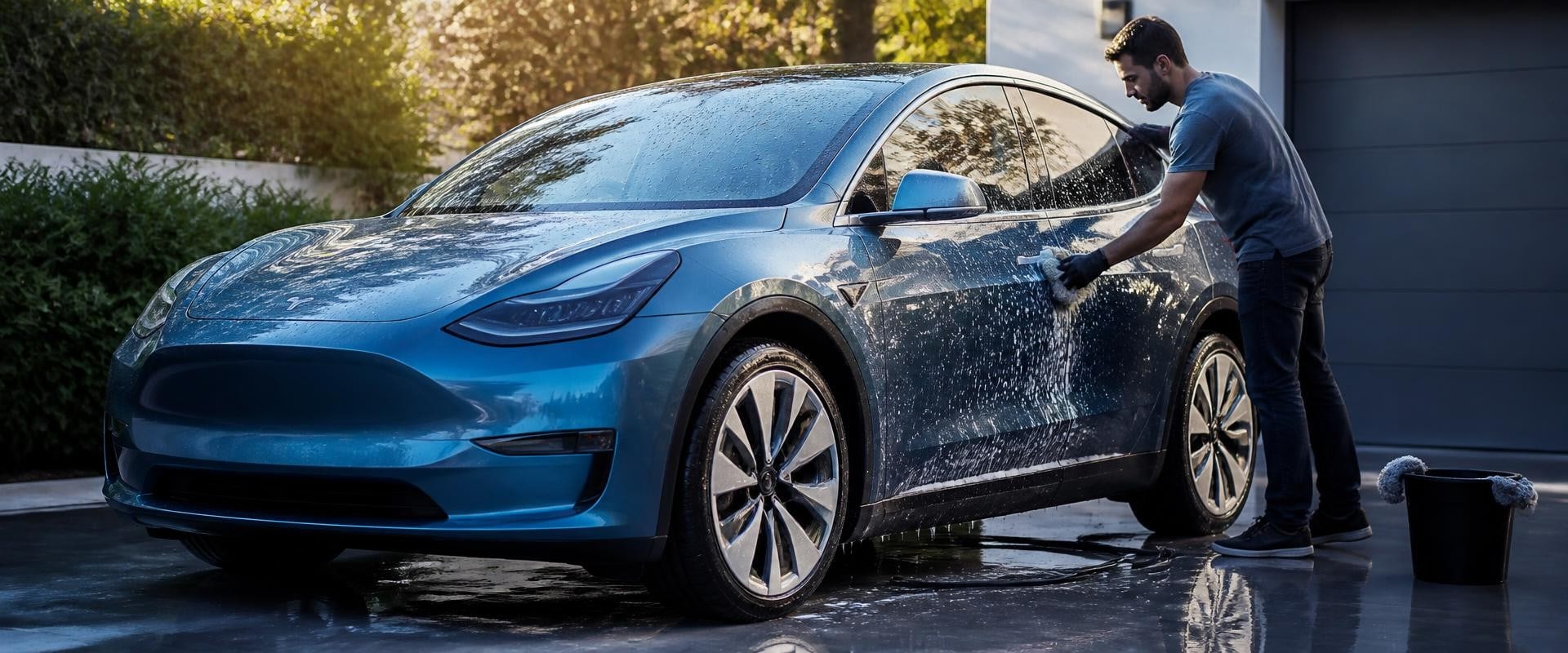
Electric cars require many of the same exterior care habits as gasoline-powered vehicles, but owners should still pay attention to features that are unique to EV design. Regular washing helps remove dust, road grime, bird droppings, insects, salt, and other contaminants that can affect paint, trim, glass, and wheels over time. A consistent cleaning routine can also make it easier to notice scratches, chips, loose trim, or damaged seals. Owners who include visits to Cloud10 smartwash as part of their maintenance schedule can help keep exterior surfaces cleaner while following their vehicle manufacturer’s recommendations for automatic washing.
Check the Charging Port Before Washing
Before entering a car wash, make sure the charging cable has been disconnected and the charging-port door is fully closed. Modern EV charging systems are designed to withstand normal weather exposure, but the port should still remain secured during washing. If the charging door is loose, damaged, or unable to latch correctly, it is better to have the issue inspected before exposing the area to direct water and cleaning equipment. Drivers should never attempt to wash the vehicle while it is actively connected to a charger.
Use Car Wash Mode When Available
Some electric vehicles include a dedicated car wash mode that prepares several systems for automatic washing. Depending on the model, this may disable automatic wipers, prevent doors from locking unexpectedly, adjust parking sensors, keep the vehicle in neutral, or control automatic folding mirrors. Drivers should consult the owner’s manual because procedures vary significantly among manufacturers. In conveyor-style washes, selecting the proper transmission setting is particularly important so the vehicle can move through the system correctly.
Turn Off Automatic Wipers
Rain-sensing windshield wipers can activate when water reaches the windshield, which may cause them to move while wash equipment is passing over the vehicle. Always switch automatic wipers completely off before entering an automated wash. Owners of electric hatchbacks and SUVs should also check the rear wiper. Taking a few seconds to verify these settings can help protect wiper arms and blades from unnecessary stress.
Pay Attention to Cameras and Sensors
Electric cars commonly feature cameras, radar equipment, parking sensors, and advanced driver-assistance technologies positioned around the exterior. These components are designed for everyday environmental exposure, but harsh scrubbing or unsuitable chemicals should still be avoided. Dirt can also temporarily obstruct cameras and sensors, so cleaning these areas gently can help maintain visibility. After the wash, check that camera lenses and sensor surfaces are free from heavy water spots or residue.
Clean Wheels Regularly
EVs can place substantial weight on tires and wheels because of their battery packs, making regular wheel and tire inspection especially useful. Road grime and brake dust can still accumulate, even though regenerative braking may reduce conventional brake use in some driving situations. Use wheel-cleaning products appropriate for the specific finish, and avoid overly aggressive chemicals. Cleaning the wheels also gives owners an opportunity to check for curb damage, tire wear, or embedded debris.
Avoid Abrasive Cleaning Methods
Painted surfaces, glossy trim, plastic panels, and aerodynamic exterior components can develop fine scratches when dirty or abrasive materials are used. Clean microfiber towels, automotive-safe products, and gentle washing techniques are preferable. Owners with wraps, matte finishes, paint protection film, or ceramic coatings should verify that the selected cleaning method is compatible with those surfaces. Specialty finishes may require different products than conventional automotive paint.
Dry Carefully to Reduce Water Spots
Allowing mineral-rich water to dry on the exterior can leave visible spots on paint and glass. After washing, pay attention to mirrors, door handles, badges, charging-port areas, and trim where water may remain trapped. Proper drying can improve the final appearance and reduce mineral residue. A clean microfiber towel or suitable touch-free drying method can help.
Build Exterior Care Into Regular EV Maintenance
Maintaining an electric car’s exterior does not require complicated procedures. Regular washing, proper preparation, careful attention to charging-port doors, automatic systems, cameras, sensors, wheels, and specialty finishes can help preserve the vehicle’s appearance. Owners should always follow manufacturer-specific instructions because car wash procedures differ among EV models. By combining routine cleaning with occasional inspections and gentle exterior care, drivers can keep their electric vehicles looking polished while protecting important exterior components over the long term.