Electric cars are designed to handle ordinary rain and road conditions, and their high-voltage components are protected against normal water exposure. However, drivers should still take certain precautions before using an automatic car wash. Modern EVs may have electronic parking brakes, automatic wipers, proximity sensors, cameras, powered mirrors, and driver-assistance systems that require specific settings during the wash process. Before visiting a facility such as Drew's Car Wash, owners should check their vehicle manual for car wash instructions so they understand which features need to be turned off, adjusted, or placed into a special mode.
Avoid Leaving Automatic Wipers Activated
One of the easiest mistakes to make is leaving rain-sensing or automatic windshield wipers turned on. Water sprayed onto the windshield can trigger the wipers while brushes or other cleaning equipment are moving across the vehicle. This could place unnecessary stress on the wiper arms or blades. Before entering the wash, drivers should switch the wipers completely off. Rear windshield wipers should also be checked, particularly on electric SUVs and crossovers where the rear wiper may be exposed to moving equipment.
Do Not Ignore Car Wash or Neutral Mode
Some electric vehicles include a dedicated car wash mode designed to prepare the vehicle for automatic washing. Depending on the model, this setting may disable automatic locking, prevent the charging-port door from opening, deactivate sensors, fold mirrors, or make it easier to keep the vehicle in neutral. Conveyor-style washes may require the car to roll freely while equipment moves it through the tunnel. Drivers should not assume that selecting neutral works the same way on every EV. Always follow both the manufacturer's instructions and the directions provided by the car wash attendant.
Avoid Opening the Charging Port
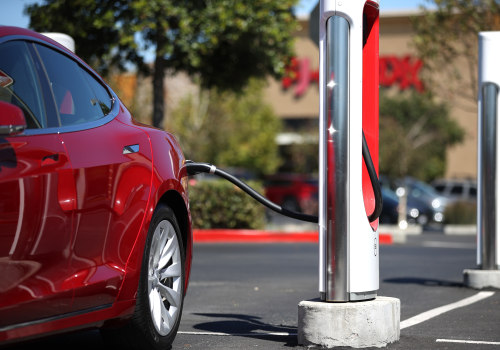
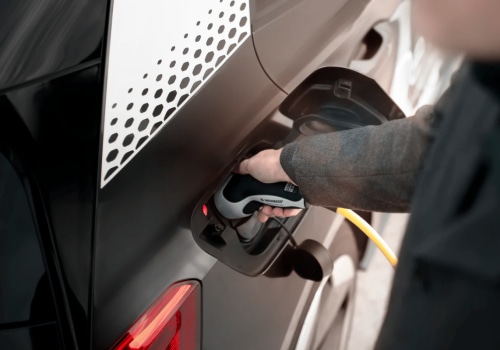
The charging port should remain securely closed before washing the vehicle. Although EV charging systems are designed with weather protection and safety measures, there is no reason to expose the charging area unnecessarily to direct water or cleaning chemicals. Drivers should confirm that the charging door is properly latched before entering the wash. If the port door is damaged, loose, or unable to close correctly, it may be better to postpone the wash until the problem is inspected.
Do Not Leave Mirrors or Accessories Unsecured
Electric cars often feature powered or automatically folding mirrors, and some models may unfold them when the vehicle is unlocked or restarted. Drivers should follow the recommended procedure for their specific model before entering an automatic wash. Roof racks, removable antennas, bike carriers, cargo accessories, or loose exterior trim should also be checked. Any accessory that could interfere with brushes or washing equipment should be removed or secured when required.
Avoid Letting Driver-Assistance Features Interfere
Automatic emergency braking, parking sensors, surround-view cameras, and proximity alerts may react to moving wash equipment. Some vehicles provide settings that temporarily disable these systems, while others may require the driver to manually turn certain features off. Drivers should not attempt to make complicated adjustments while already entering the conveyor. Preparing these settings beforehand can make the process smoother and reduce the chance of the vehicle unexpectedly braking or displaying repeated alerts.
Do Not Use Harsh Cleaning Methods on Sensitive Surfaces
EVs often include cameras, radar sensors, aerodynamic trim, specialized wheels, and glossy exterior panels that should be cleaned carefully. Extremely abrasive brushes or unsuitable chemicals may damage paint, trim, protective coatings, or wheel finishes. Owners with matte paint, vehicle wraps, ceramic coatings, or specialty finishes should check whether the selected wash method is compatible with those surfaces.
Follow Manufacturer Instructions for Safer Washing
Taking an electric car through a car wash is generally straightforward when the correct preparation steps are followed. Drivers should avoid leaving automatic systems active, using incorrect transmission settings, exposing damaged charging-port components, or ignoring exterior accessories. Because EV designs vary considerably between manufacturers and models, the owner's manual should always be the primary reference. By preparing the vehicle properly and following posted car wash instructions, EV owners can keep their vehicles clean while protecting sensitive exterior components and electronic features.